




New Flagship Smartphone to Receive HarmonyOS Next, Cutting Ties with Android
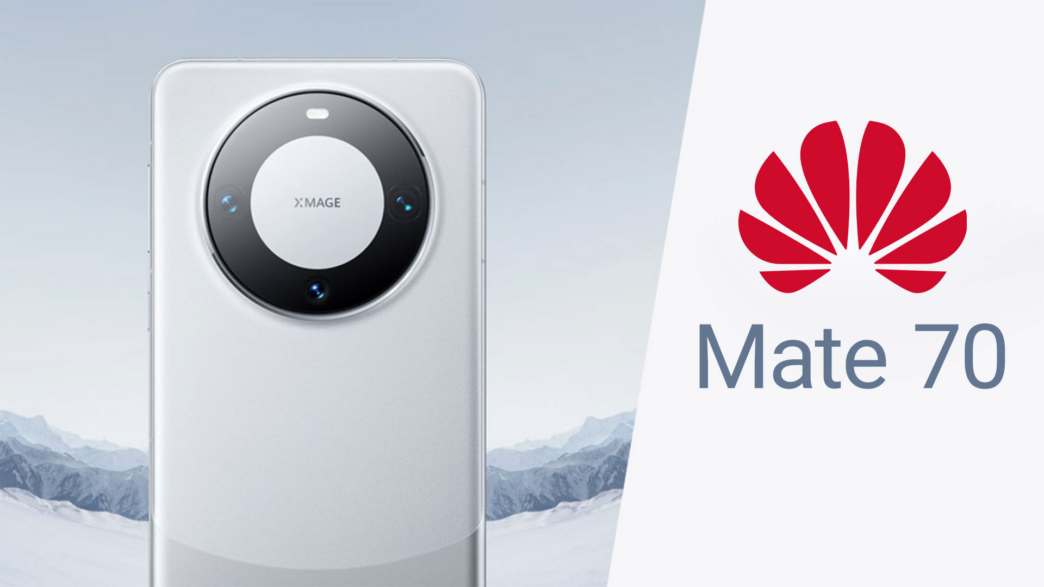
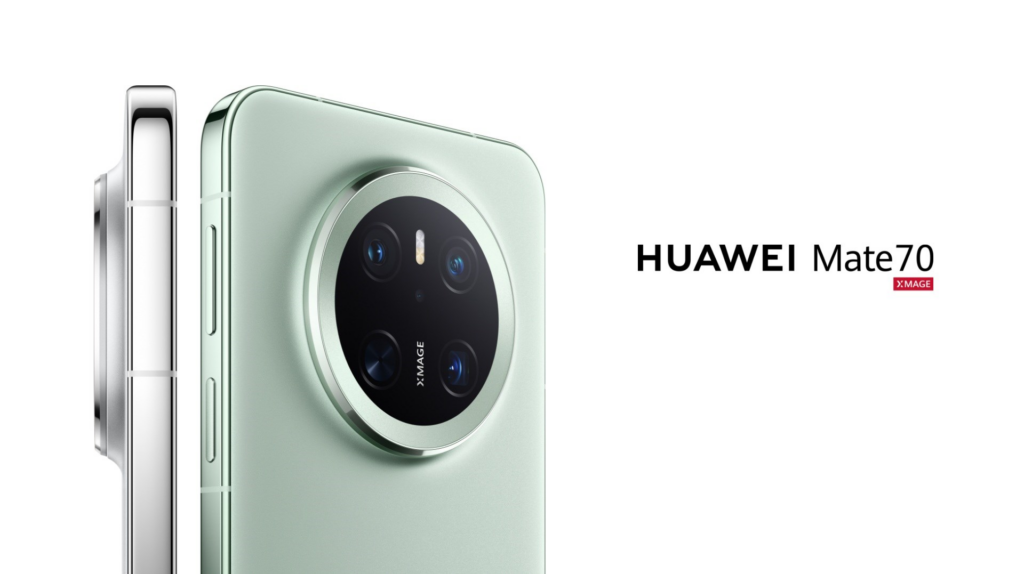
Huawei unveiled the Mate 70, its new flagship smartphone, on Tuesday (November 26). The device is set to receive HarmonyOS Next, the company’s proprietary operating system’s latest version.
In terms of hardware, the model features specifications comparable to other manufacturers’ flagship phones. However, the chip is made by Huawei itself, with no further details provided on its specifications.
Both the operating system and the chip reflect the path Huawei has taken following sanctions from the United States. The company is prohibited from conducting business with American companies as well as licensing technologies developed in the country.
Despite these challenges, Huawei experienced a “resurgence” in 2023 with the Mate 60 and its own 7nm chip, gaining market share and challenging Apple and other manufacturers.
What’s New in HarmonyOS Next?
The main highlight of the Mate 70 is its support for HarmonyOS Next, the future version of Huawei’s operating system. It introduces significant changes from its predecessors. The company has completely removed components from the Android Open Source Project (AOSP) and developed its own kernel.
As a result, it will no longer be possible to install Android apps on the system. Huawei claims there will be no issues, citing over 15,000 apps in its ecosystem and plans to reach 100,000 in the coming months.
Nevertheless, Richard Yu, Huawei’s president, stated that there will be an option to keep the Mate 70 running on HarmonyOS 4.3, the last version before the drastic changes. However, for models released from next year, there will be no choice: all will come with HarmonyOS Next.
What Chip Does the Huawei Mate 70 Use?
Once again, Huawei did not reveal details about the chip used in its new flagship smartphone. For now, speculation and information circulating on Weibo, a popular social media platform in China, suggest a 6nm process component with a maximum frequency of 2.67 GHz.
Mate 70 Offers Top-Tier Hardware
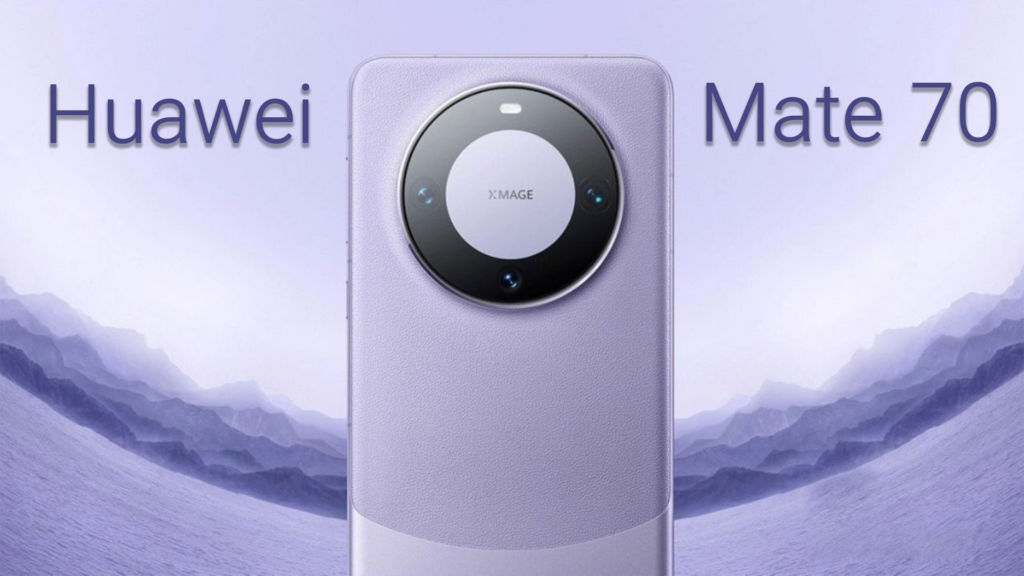
The Huawei Mate 70 comes in two main versions: standard and Pro. The primary differences between them lie in the screen and cameras:
- Screen: The standard version has a 6.7-inch screen, while the Pro version has a 6.9-inch screen.
- Telephoto Rear Camera: The standard version has a 12-megapixel sensor with 5.5x optical zoom, while the Pro version features a 48MP sensor with a 4x optical zoom lens.
- Front Camera: Both models have a 13-megapixel camera, but only the Pro model includes a 3D sensor for facial recognition when unlocking the device.
- Battery: The standard Mate 70 has a 5,300 mAh capacity, while the Pro version has 5,500 mAh.
- Charging: The standard version supports 66W wired and 50W wireless charging, while the Pro version supports 100W wired and 80W wireless charging.
Both models share:
- An LTPO OLED display with Full HD+ resolution, a refresh rate ranging from 1 Hz to 120 Hz, and a maximum brightness of 2,500 nits.
- A 50-megapixel main camera with variable aperture, from f/1.4 to f/4.0.
- A 40-megapixel ultrawide camera.
- A spectral sensor for more accurate color, skin tone, and shadow capture.
- 12 GB of RAM and storage options of 256 GB, 512 GB, or 1 TB.
- IP69 water and dust resistance.
There are also the Pro+ and Pro RS Ultimate versions. They have a larger battery (5,700 mAh), more RAM (16 GB), and a titanium structure. The RS model features a dual-layer OLED screen with a maximum brightness of 3,500 nits.
Price and Availability
The smartphones are currently only available for sale in China, with deliveries starting from December 4. There is no global release date yet. The prices, directly converted at current rates, are:
- Mate 70 (256 GB): R$ 4,400
- Mate 70 (512 GB): R$ 4,800
- Mate 70 (1 TB): R$ 5,600
- Mate 70 Pro (256 GB): R$ 5,200
- Mate 70 Pro (512 GB): R$ 5,600
- Mate 70 Pro (1 TB): R$ 6,400
- Mate 70 Pro+ (512 GB): R$ 6,800
- Mate 70 Pro+ (1 TB): R$ 7,600
- Mate 70 Pro RS (512 GB): R$ 9,600
- Mate 70 Pro RS (1 TB): R$ 10,400