




The measures include a new cap on the annual growth of the minimum wage and efforts to address supersalaries in the public sector. Separately, the income tax exemption limit is set to rise to R$ 5,000.
Haddad’s Complete Address on the Spending Reductions
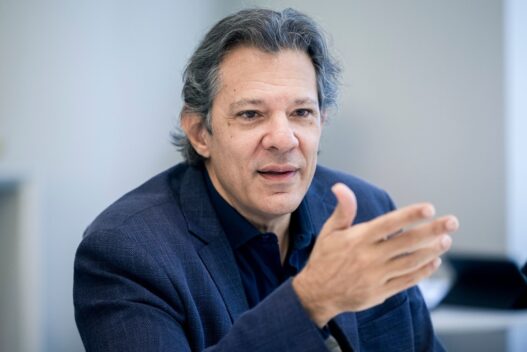
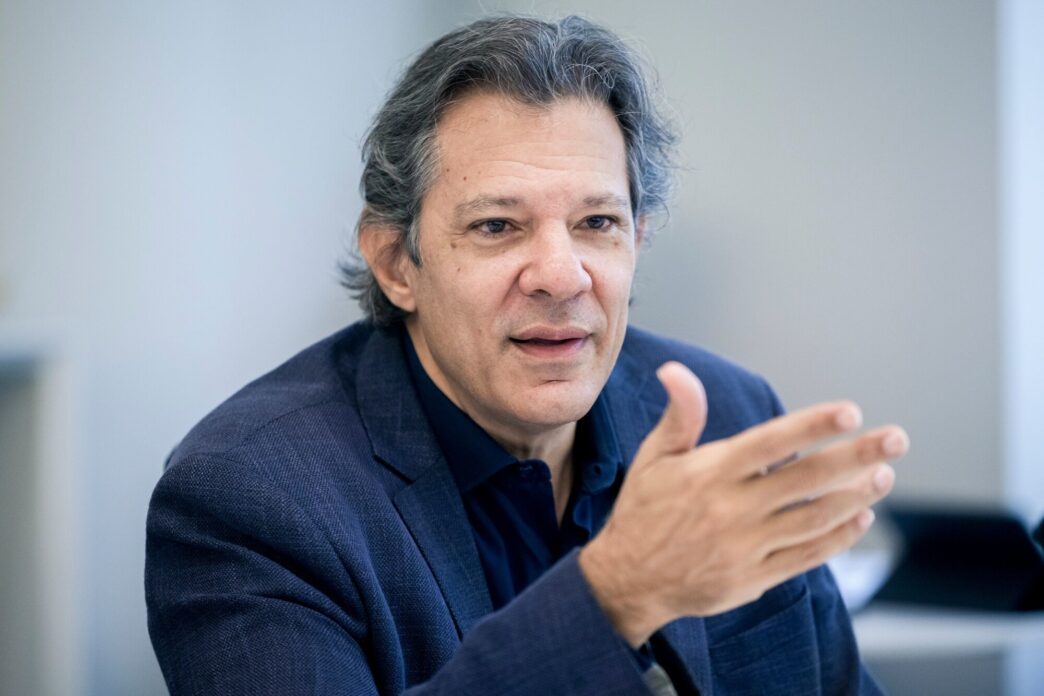
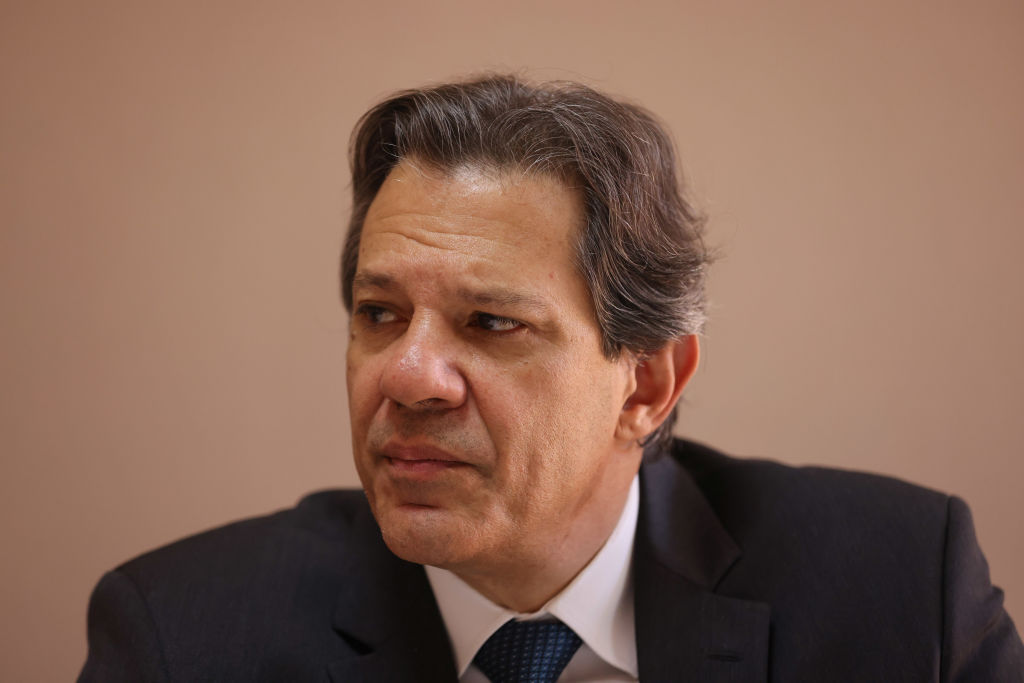
On Thursday evening (27), Finance Minister Fernando Haddad used national radio and television to announce a series of initiatives the government plans to implement to save R$ 70 billion in public expenditure over the next two years.
These initiatives encompass:
- A new regulation to restrict the annual growth of the minimum wage
- Efforts to tackle supersalaries within the public sector
- Tighter controls on the salary bonus — a type of 14th salary for low-income workers
The government has been mulling over these measures for months and has now revealed the plan to the public. The objective is to control the deficit in public accounts and show a commitment to fiscal discipline.
An economic team press conference was scheduled for the morning of Thursday (28) to elaborate on the initiatives. The market did not respond positively to the news, with the dollar hitting its highest nominal value (adjusted for inflation) during the period of the real as the national currency.
Highlights of Haddad’s Initiatives
Remember, these measures require Congressional approval before they can be enacted:
Minimum Wage
Minister Haddad stated that the minimum wage would still rise above inflation but within the constraints of the fiscal framework, with an annual cap of up to 2.5% (above inflation rates).
Currently, no such cap exists; the minimum wage is adjusted based on the previous year’s inflation and the GDP from two years earlier. This new regulation will limit the growth rate when the GDP exceeds 2.5% two years prior.
Income Tax
The income tax exemption threshold for individuals is set to increase from R$ 2,824 to R$ 5,000. This means individuals earning up to R$ 5,000 monthly will not have to pay income tax if the measure is approved. It will come into effect from 2026.
This initiative does not directly cut spending. However, it was added to the package at the behest of President Luiz Inácio Lula da Silva, aiming to balance budget cuts with a more public-friendly measure.
To offset the revenue loss from income tax, the government plans to introduce another measure: increasing taxes for those earning over R$ 50,000.
The market’s primary concern was the increase in the income tax exemption, which raised doubts about the government’s commitment to fiscal responsibility.
Taxing the Wealthy
Haddad outlined a proposal to impose higher taxes on those with a monthly income above R$ 50,000, who would “pay a bit more.” Details on implementation were not provided.
Salary Bonus
The income threshold for the salary bonus eligibility will be lowered from R$ 2,824 (two minimum wages) to R$ 2,640. This amount will be adjusted for inflation annually until it stabilizes at 1.5 minimum wages.
Military Retirement
The minister hinted at changes to the minimum retirement age, currently at 50 years, without offering specifics. A minimum age for reserve will also be set, and there will be restrictions on pension transfers.
Supersalaries of Public Employees
Haddad aims to ensure all public employees adhere to the constitutional salary cap, which is currently R$ 44,008.52 per month. Some benefits currently fall outside this cap, allowing public employees to earn more than this amount.
Parliamentary Amendments
The Finance Minister declared that the total value of parliamentary amendments will not increase by more than 2.5% above inflation (fiscal framework cap), and 50% of commission amendments will be mandatorily allocated to public health.
New Fiscal Benefits
New fiscal benefits, such as tax reductions or exemptions, will be banned whenever public accounts show a negative result (primary deficit).