



With more than 50 days until Donald Trump assumes the presidency, he has already laid the groundwork for a trade conflict that could destabilize the global economy.
Trump’s Tariff Announcement
Trump announced on Monday his intention to sign an executive order imposing a 25% tariff on all imports from Canada and Mexico, and an additional 10% tariff on imports from China. This move is purportedly in retaliation for drugs and migrants crossing US borders. Although Trump promised universal tariffs during his campaign, these are specifically targeted at the US’s three largest trading partners. He plans to sign the executive order on January 20, his first day in office.
What Are Tariffs?
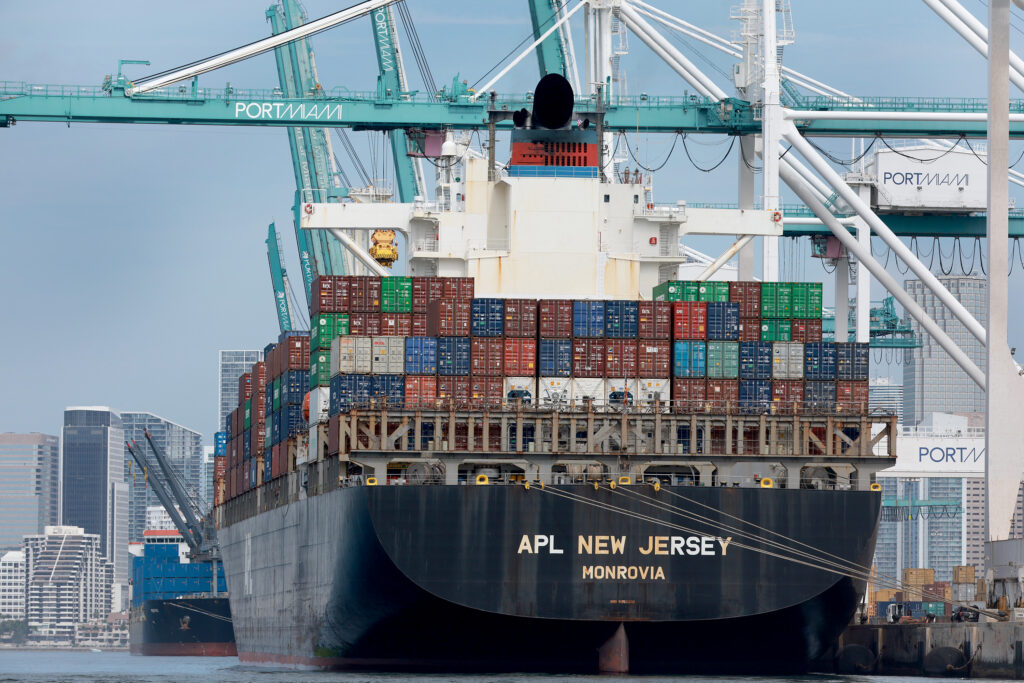
A tariff is essentially a tax on imports, or goods brought into the United States from foreign countries.
Who Bears the Cost of Tariffs?
Following the election, many Americans have asked who pays for tariffs. Trump has claimed that foreign countries pay for them, but in reality, it’s American companies importing goods from abroad that bear the cost. For example, if a US car manufacturer imports parts from Mexico, it must pay the tariff upon the parts’ arrival in the country.
US Imports from Canada, Mexico, and China
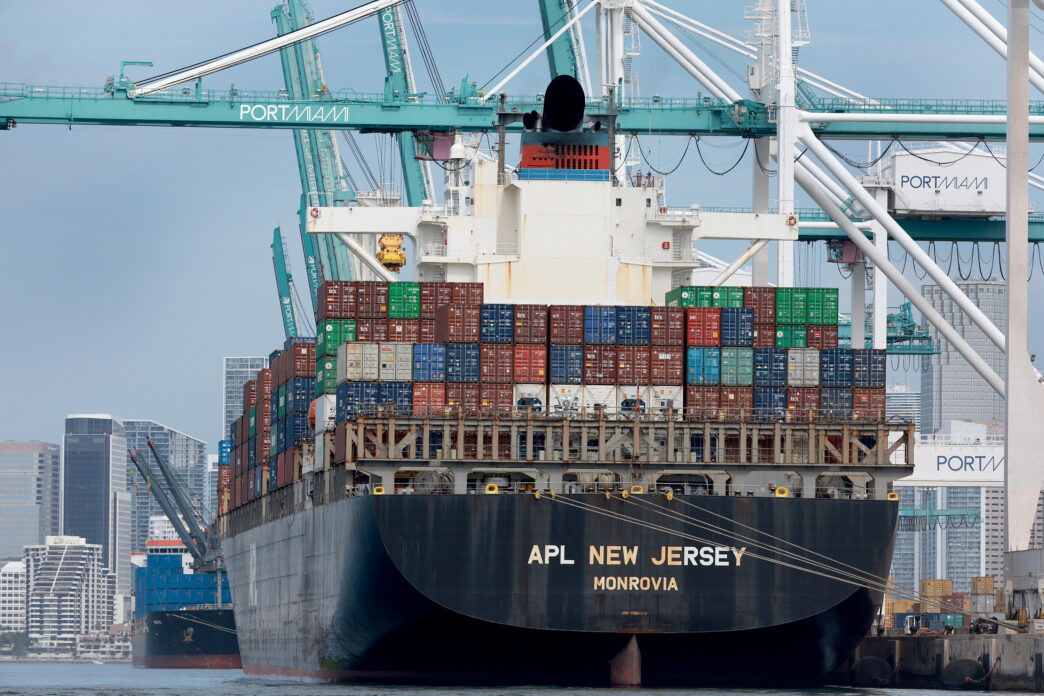
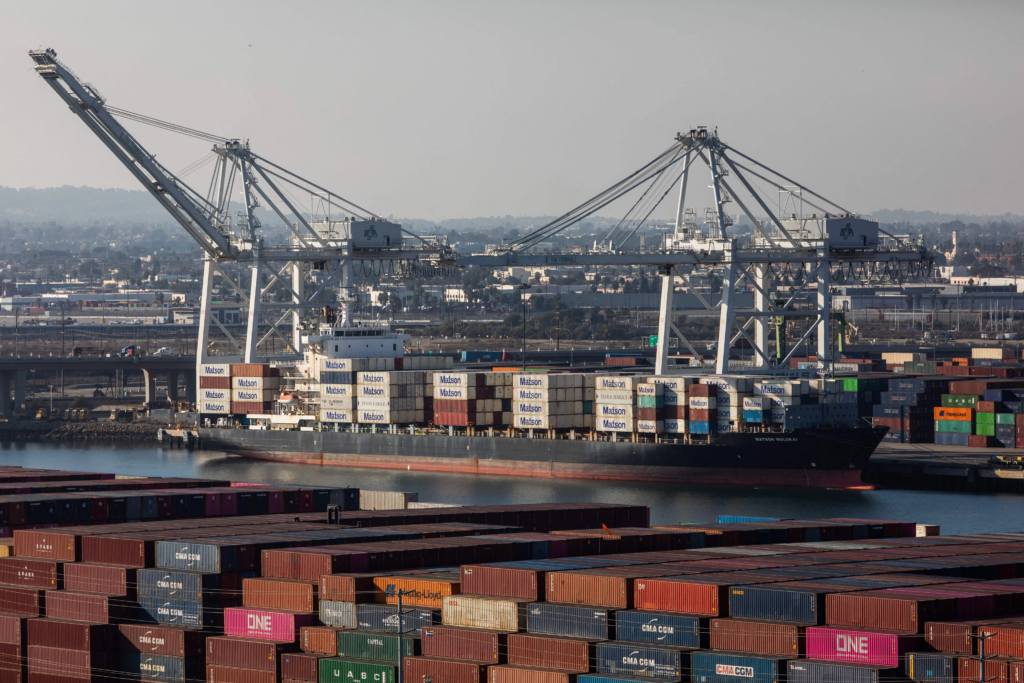
In 2023, US companies imported over $1.2 trillion from Canada, Mexico, and China, making them the country’s top trade partners. A tariff on these imports effectively acts as a tax on these goods. Canada is a significant exporter of crude oil and gas products to the US, while Mexico has become a major source for cars and auto parts (although Tesla’s plan to build a factory there was paused during Trump’s campaign). China, meanwhile, exports a large volume of electronics, including phones and laptops.
Does Trump Need Congressional Approval for Tariffs?
With Republicans holding a majority in both the House and Senate, Trump has significant legislative power. However, the president also has the authority to enact tariffs without congressional approval under the pretext of national security, protecting American industries, or in response to a “national emergency” – broad reasons that make legal challenges difficult.
Why Is Trump Levying Tariffs?
The US has a trade deficit, importing more than it exports, and although not all economists agree that trade deficits are harmful, Trump has long criticized them. Tariffs are his preferred method of addressing this issue. During his first term, Trump imposed tariffs on certain Chinese products and metal imports, and he threatened tariffs on Mexican imports in response to migrant border crossings, though he later backed down in 2020.
In essence, Trump believes that high tariffs will encourage American companies to relocate manufacturing back to the US. He has stated, “All you have to do is build your plant in the United States, and you don’t have tariffs.” However, moving out of established global manufacturing ecosystems is nearly impossible for many companies, as it takes years to set up a new factory.
Impact on Consumers
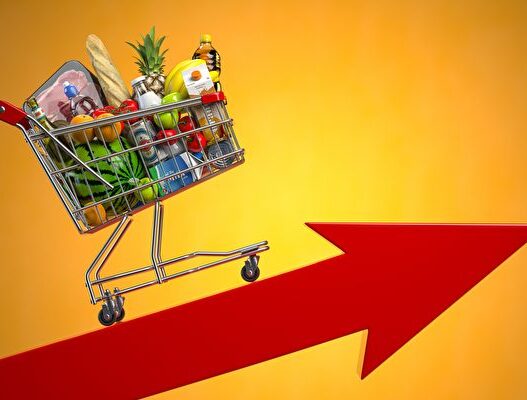
Consumers are likely to feel the impact through price increases. Trump campaigned on implementing tariffs of 10% to 20%, with 60% on Chinese imports. Economists estimate that such tariffs could raise household costs by between $1,900 and $7,600, adding 1.4% to 5.1% to inflation. Companies would pass on the tariff costs to consumers. Executives from various American companies, including Walmart and Columbia Sportswear, have indicated that they would need to raise prices due to tariffs.
A recent Harris/Guardian poll showed that nearly two-thirds of Americans expect prices to rise if Trump implements these tariffs.
Global Response to US Tariffs
Countries targeted by these tariffs are likely to retaliate by imposing tariffs on American imports. When Trump previously placed tariffs on Chinese goods, China responded with tariffs on US products like soybeans and corn, significantly affecting American farmers. Trump, without congressional approval, eventually bailed out these farmers with at least $10 billion in aid. The Council on Foreign Relations has calculated that up to 92% of the revenue collected from Chinese tariffs was used to compensate farmers.
Following Trump’s latest tariff announcement, China’s embassy issued a stark warning, stating, “No one will win a trade war.” Meanwhile, Mexico’s Economy Minister Marcelo Ebrard, before the election, indicated that the country would consider retaliatory measures, saying, “If you put 25% tariffs on me, I have to react with tariffs. Structurally, we have the conditions to play in Mexico’s favor.”