




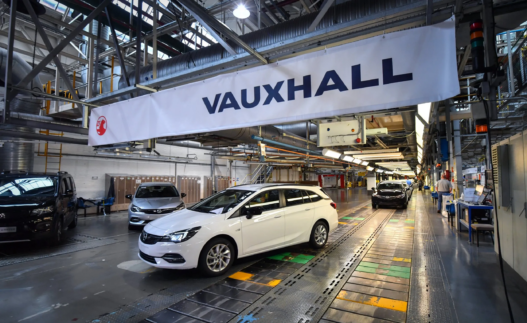
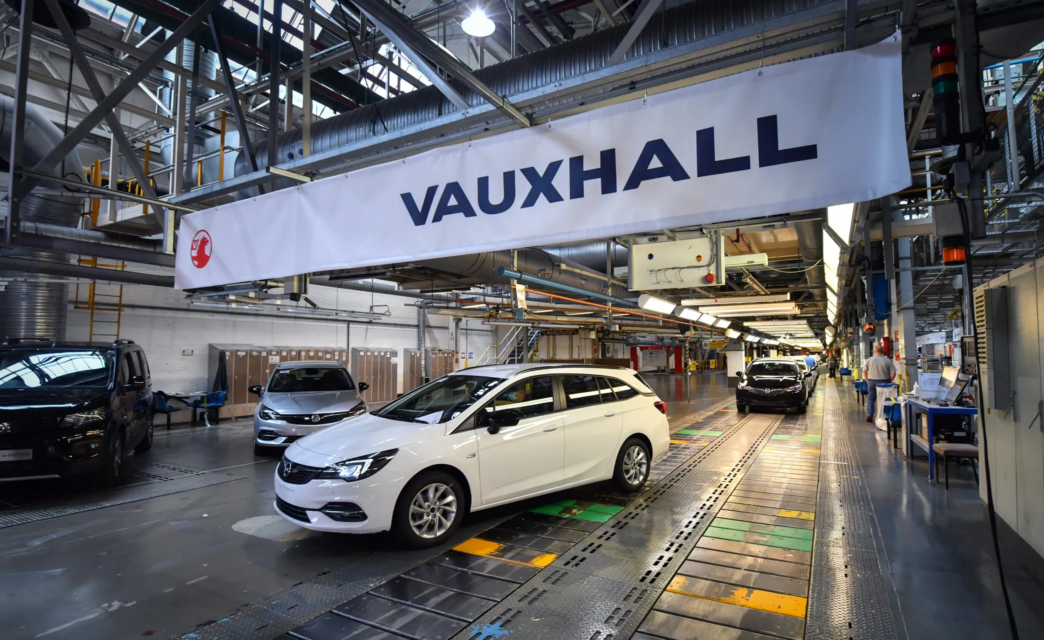
Just two months before blaming the UK’s electric vehicle (EV) regulations for the decision to shut down its Luton factory, Vauxhall’s parent company, Stellantis, told investors it was “confident” in meeting these rules, The Guardian has revealed.
Stellantis’s Contradictory Statements
Stellantis announced the closure of its van manufacturing plant in Bedfordshire, citing the UK’s zero-emission vehicle (ZEV) mandate, which puts 1,100 jobs at risk of redundancy or relocation to its Ellesmere Port facility, where smaller vans are produced.
However, in September, Natalie Knight, Stellantis’s chief financial officer, spoke at a conference stating that the company anticipated profitability from its UK sales and compliance with the ZEV targets, thereby avoiding hefty fines.
These statements appear to contradict Stellantis’s frequent assertions that the mandate threatened the viability of its Luton factory, which produces the Vivaro van.
Lobbying Efforts and Government Response
Car manufacturers have been actively lobbying the UK government to ease the ZEV mandate, which encourages the transition from polluting petrol and diesel vehicles to cleaner electric alternatives. These efforts peaked on Tuesday when Business Secretary Jonathan Reynolds announced at a dinner for car industry leaders that the government would expedite changes to the mandate.
Stellantis’s announcement of the factory closure on Tuesday afternoon was perceived as a deliberate act of defiance against the government.
Stellantis’s Criticism and Knight’s Optimism
Stellantis, headquartered in the Netherlands, has been vocal in its criticism of the ZEV mandate. In April, CEO Carlos Tavares warned that it could “kill” the UK car industry, and the former head of UK operations hinted at potential closures due to the mandate and insufficient EV subsidies.
Contrastingly, at a Bank of America-hosted conference earlier this year, Knight reassured investors that while other companies struggled with low electric car sales, Stellantis had a balanced mix of electric and petrol vehicles, ensuring compliance without fines. She expressed confidence in meeting the ZEV targets profitably by year-end.
Under the UK’s EV rules, carmakers must achieve a 22% electric car sales target in 2024, increasing to 28% in 2025, and 80% by 2030. For vans, the targets are 10% in 2024, 16% the following year, and 70% by 2030. The regulations include provisions for carmakers to earn credits through over-compliance in later years and by reducing emissions from their remaining petrol and diesel vehicles.
Industry Reaction
The automotive industry has been puzzled by Stellantis’s attempt to blame the ZEV mandate for the Luton factory closure. Many carmakers have criticized the mandate, but it applies to all sales, including imports. Most UK-made vehicles, including those from Luton, are exported, meaning they do not directly affect the UK’s ZEV mandate.
Industry insiders have suggested that the closure decision was not directly linked to the ZEV mandate, though some argue it indirectly discourages investment in UK factories.
Quentin Wilson, founder of the pro-electric car group FairCharge, described the job losses in Luton as “terribly sad” but believed they were more likely related to Stellantis’s overcapacity.
A Stellantis spokesperson maintained that the natural demand for electric cars was “half that of this year’s mandate” and that blaming overcapacity in van production was “not correct.”
Reynolds, in parliament, acknowledged the closure plan was shared with him 10 days after the July general election. He described it as “a dark day for Luton” and blamed the previous Conservative government, despite Labour adopting the ZEV mandate from its predecessor.
He added: “Despite our best efforts, we have been forced to accept that this is ultimately a commercial decision by Stellantis as they respond to wider challenges within the sector.”
Industry and Environmental Reactions
Other carmakers welcomed the government’s decision to relax the mandate, with Ford UK’s Lisa Brankin expressing support on BBC Radio. Ford is cutting 4,000 jobs across Europe, including 800 in the UK, citing insufficient customer demand to meet the current mandate.
However, charger companies, fleet owners, and environmental campaigners have opposed the changes. Fiona Howarth, CEO of Octopus Electric Vehicles, which leases cars, warned that altering the mandate would be “shooting ourselves in the foot” by succumbing to pressure from a few reluctant companies.